


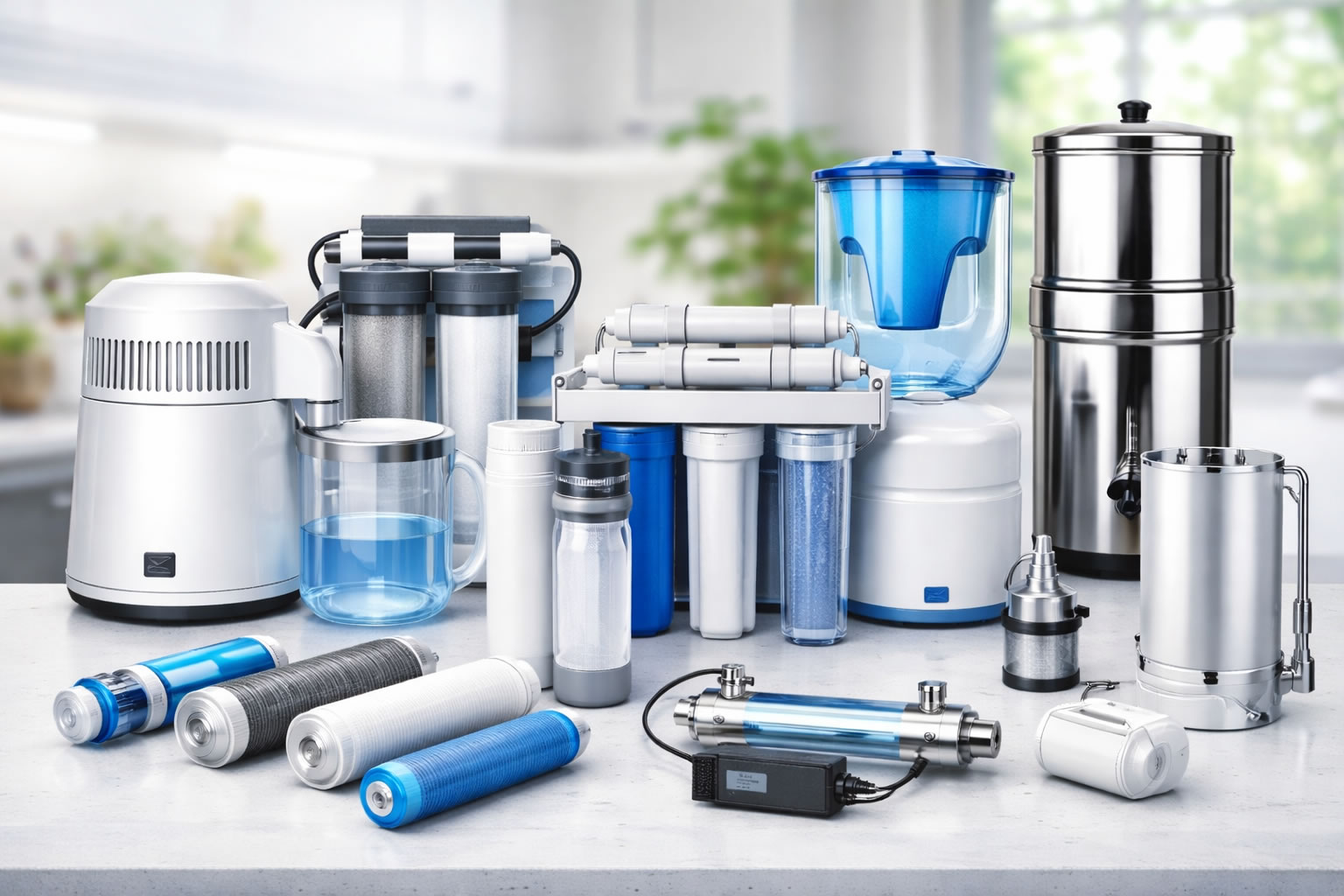
Our Top Picks for the Best Water System: From Budget to Biohacker
Not everyone needs a $1000 under-sink system. And not everyone has unsafe tap water. That’s why we’ve created a tiered framework, from basic filtration to biohacker-level optimization. You can use it to choose the best solution for your goals, budget, and living situation. The levels range from Bronze (great taste, basic safety) all the way up to a Platinum setup, a true “holy grail” of water health that rivals natural spring water in purity, mineral content, and molecular enhancement. Each level includes:- What the system removes (and what it restores)
- Recommended products based on real user reviews and performance
- Who it’s best suited for
🏆 Platinum Solution: The Holy Grail of Water Health
What It Includes:- Reverse Osmosis System (multi-stage)
- UV Sterilizer
- Remineralization + Alkaline Filter
- Optional: Hydrogen-Rich Water Generator
- 💧 iSpring RCC7AK-UV (7-stage RO system with UV and remineralization)
- 💧 LevelUp Way Hydrogen Water Generator (portable H₂ infusion device)
🥇 Gold Solution: Clean, Balanced, and Protected
What It Includes:- Reverse Osmosis System
- Remineralization Filter
- UV Filter (optional for city water, essential for well water)
- 💧 Frizzlife Tankless RO System with Alkaline Filter
- Optional UV Add-On: 💧 HQUA UV Water Purifier
🥈 Silver Solution: Purified and Remineralized
What It Includes:- Reverse Osmosis System
- Alkaline Filter (no UV)
🥉 Bronze Solution: Clean and Affordable
What It Includes:- Activated Carbon Filter
- Optional: Gravity-fed or pitcher remineralizer
- 💧 ZeroWater ZP-010 Pitcher (5-Stage) (includes heavy metal filtration)
- Or: Brita Everyday Pitcher + Third Wave Remineralizing Drops
What Do Water Filters Filter?
Here are the eight major categories of contaminants that filters aim to remove, and why they matter.1. Chlorine
Why it’s added: Chlorine is used in most municipal water systems as a disinfectant. It prevents waterborne diseases like cholera and dysentery. Why it’s a concern: Chlorine can react with naturally occurring organic matter in water to form disinfection byproducts (DBPs) like trihalomethanes (THMs) and haloacetic acids (HAAs), both of which are linked to increased risk of bladder, colon, and rectal cancer [CDC, 2019]. Chlorine exposure may also aggravate asthma, cause skin dryness, and affect thyroid function when consumed over time or inhaled in showers.2. Volatile Organic Compounds (VOCs)
What they are: VOCs are industrial chemicals used in petroleum products, paints, glues, cleaning agents, and pesticides. They leach into water supplies through contaminated groundwater or surface runoff. Why they matter: Chronic exposure to VOCs like benzene, toluene, and xylene is associated with liver and kidney damage, central nervous system impairment, and increased cancer risk. VOCs can enter your body not just by drinking water but through inhalation (e.g., in showers) and skin absorption.3. Heavy Metals (Lead, Mercury, Arsenic, Cadmium)
Where they come from: Lead leaches from old pipes, arsenic occurs naturally in groundwater or enters through agricultural runoff, mercury comes from industrial waste, and cadmium from mining operations and fertilizers. Health risks:- Lead: Causes developmental delays in children, impairs brain function, and raises blood pressure in adults.
- Mercury: Damages the nervous system and kidneys; especially harmful to pregnant women.
- Arsenic: Classified as a human carcinogen by the EPA; linked to skin, bladder, and lung cancers.
- Cadmium: Accumulates in kidneys; causes bone fragility and may lead to renal failure.
4. Fluoride
Why it’s added: Fluoride is added to many public water supplies to reduce tooth decay. It’s considered a public health win by many dental organizations. Why some filter it out: At high levels or prolonged exposure, fluoride can cause dental fluorosis (white spots on teeth) or skeletal fluorosis (joint pain, bone damage). Studies also suggest fluoride may disrupt thyroid function or contribute to cognitive effects, especially in developing children. Many wellness-focused households prefer to control fluoride intake through toothpaste rather than drinking water.5. Microplastics
What they are: Tiny plastic particles (often under 5mm) that enter water from plastic degradation, synthetic clothing fibers, and industrial waste. Why they’re concerning: Microplastics are now found in nearly all water sources worldwide, including bottled water. Studies show they can carry toxic chemicals like BPA and phthalates, which disrupt hormone function and may increase cancer risk. Long-term health effects are still under study, but early evidence suggests they accumulate in organs.6. Pharmaceuticals and Hormones
How they get in water: Medications (antibiotics, antidepressants, birth control) are excreted by humans and animals, passing through wastewater treatment plants and into water supplies. Most systems aren’t designed to filter these out. Health concerns: Trace amounts of hormones can disrupt endocrine function, affecting fertility and development. Antibiotics in water contribute to antimicrobial resistance. While concentrations are typically low, cumulative exposure over years is a growing concern.7. Nitrates and Nitrites
Where they come from: Agricultural runoff, fertilizers, and animal waste are the primary sources. They seep into groundwater and surface water in rural and farming communities. Why they’re dangerous: Nitrates are especially harmful to infants, causing “blue baby syndrome” (methemoglobinemia), which reduces the blood’s ability to carry oxygen. In adults, they’re linked to increased cancer risk and thyroid issues.8. Pathogens (Bacteria, Viruses, Parasites)
Common culprits:- E. coli and Salmonella (bacteria)
- Giardia and Cryptosporidium (parasites)
- Norovirus and Hepatitis A (viruses)
What Makes Water “Healthy”? The Three Pillars
So you’ve removed the bad stuff. Now what? This is where most water guides stop, but it’s actually just the beginning. The truth is, clean water isn’t the same as healthy water. Your body doesn’t just need absence of toxins. It needs minerals, balance, and support for hydration at the cellular level. Here are the three key factors that elevate water from “safe” to “optimal.”1. Mineralization: Adding Back What Your Body Needs
When water goes through reverse osmosis or distillation, it’s stripped of nearly everything (including beneficial minerals like calcium, magnesium, and potassium). While RO water is ultra-pure, it’s also “dead” in a way: flat-tasting and lacking the electrolytes your body uses to power muscle contractions, nerve signaling, and hydration. That’s where remineralization comes in. Adding back natural minerals after filtration can:- Improve taste and mouthfeel (mineralized water feels fuller, smoother, less “hollow”)
- Support bone health (calcium and magnesium are essential for skeletal strength)
- Enhance hydration (minerals help cells absorb and retain water more effectively)
- Reduce acidity (mineral-rich water tends to be more alkaline, which may support pH balance)
Best Remineralizing Filters
| Product | Type | Pros | Cons | Amazon Link |
|---|---|---|---|---|
| iSpring FA15 Alkaline Remineralization Filter | Inline Filter | Restores calcium and magnesium, improves taste, raises pH slightly | Designed to work with RO systems only | View on Amazon |
| Express Water Alkaline Remineralization Filter | Inline Filter | Adds trace minerals, easy installation, compatible with most RO systems | Replacement needed every 6-12 months | View on Amazon |
| iSpring PH100 | Inline Filter | Powerful remineralizer for high-volume RO | Best used with iSpring systems | View on Amazon |
2. Alkalinity & pH Balance: Rebuilding Water’s Natural Harmony
Our modern diets are often acidic, dominated by coffee, sugar, meat, processed foods, and alcohol. Some wellness communities believe this acidity places extra stress on the body, potentially contributing to inflammation, fatigue, or digestive issues. That’s where alkaline water comes in. Water with a slightly elevated pH (around 7.5 to 9) may help:- Neutralize excess stomach acid, which can reduce symptoms of acid reflux
- Lower oxidative stress, potentially offering mild anti-inflammatory effects
- Improve taste and mouthfeel, especially in post-RO water that can taste flat
Best Alkaline Filters
| Product | Type | Pros | Cons | Amazon Link |
|---|---|---|---|---|
| iSpring FA15 Alkaline Filter | Inline | Easy to add post-RO, adds essential minerals, improves taste | Only useful when paired with RO systems | View on Amazon |
| Express Water Alkaline Filter | Cartridge | Adds multiple minerals, improves pH balance | Cartridge life can be short depending on use | View on Amazon |
| Frizzlife Alkaline Remineralization Filter | Inline | Increases pH to 8-9.5, compact design | Shorter lifespan than standard filters | View on Amazon |
| APEC PHPLUSKIT-14 | Inline Kit | Raises pH with calcite, easy installation | Designed specifically for APEC systems | View on Amazon |
| Waterdrop Alkaline Filter WD-F-AL | Inline | Increases pH and adds beneficial minerals | Filter not compatible with all RO systems | View on Amazon |
| Geekpure Alkaline Filter | Inline | Restores minerals and adjusts pH | Needs to be replaced regularly for optimal performance | View on Amazon |
3. Structured or Hydrogen-Rich Water: The Frontier of Hydration
Beyond minerals and pH, some high-end systems now focus on enhancing the water molecule itself. These additions are less about contaminants and more about optimizing water’s potential.- Hydrogen-rich water is infused with molecular hydrogen (H₂), which some early studies suggest acts as a powerful antioxidant. It may help reduce inflammation, support athletic recovery, and counter oxidative stress.
- Structured water, sometimes called hexagonal or vortexed water, claims to mimic the molecular alignment of natural spring water. While research is still limited, proponents believe this may improve cellular uptake or hydration efficiency.
Best Hydrogen/Structured Water Devices
| Product | Type | Pros | Cons | Amazon Link |
|---|---|---|---|---|
| LevelUp Way Hydrogen Water Bottle | Portable Hydrogen Generator | Antioxidant-rich water, USB rechargeable, portable | Small volume per session, limited to personal use | View on Amazon |
| GOSOIT Hydrogen Alkaline Water Maker | Pitcher-style Generator | Hydrogen + alkaline water, large capacity | Takes longer to charge and generate | View on Amazon |
| H2Wellness IonBottles Hydrogen Generator | Portable Bottle | Quick 3-minute hydrogen generation | Best for single servings, glass can be fragile | View on Amazon |
| GOSOIT Hydrogen Water Machine | Countertop | Large capacity, dual hydrogen & filtration system | Bulky, higher cost | View on Amazon |
| H2Life Hydrogen Generator | Portable USB Bottle | Titanium-plated electrolyzer, compact and effective | Lower volume, needs frequent recharges | View on Amazon |
| Pi Water Alkaline & Structured Pitcher | Pitcher with Structured Water | Claimed structured water and mineral infusion | Scientific evidence on structure is limited | View on Amazon |
Why a Great Water System Pays Off: Financially and Beyond
Let’s be real: some of the top-tier water systems aren’t cheap. Between reverse osmosis, UV sterilizers, remineralization stages, and optional hydrogen generators, the cost can add up. But here’s what most people don’t realize: a quality water setup isn’t a luxury. It’s a long-term investment in both your health and your wallet.What You’ll Likely Spend Now
A high-performance home system may cost between $200 and $1000 upfront, with minor ongoing costs for filter replacements (typically $50 to $150 per year). Compare that to bottled or subscription water services, which can easily run $500 to $1000+ per year, especially for families.What You Save Over Time
- Ditching bottled water: Say goodbye to wasteful plastic and high per-liter costs.
- Fewer doctor visits: Clean, mineral-rich water supports immune health, digestion, energy, and detoxification (all of which contribute to fewer sick days and reduced healthcare bills).
- Appliance longevity: Filtered water is gentler on kettles, coffee machines, and plumbing, reducing repairs and mineral buildup.
- Environmental savings: Less plastic, less packaging, fewer deliveries. Your future self (and the planet) will thank you.
And Then There’s Peace of Mind
You know exactly what’s in your water (and what’s not). No more worrying about boil notices, microplastic contamination, or outdated pipe infrastructure. Just clean, balanced hydration on tap, 24/7.Your Water, Your Foundation
Water does more than just hydrate. It supports every system in your body. Choosing the right water solution isn’t just about taste or convenience. It’s about giving your cells what they need to thrive, daily. Whether you’re just starting with a simple filter or investing in a full-spectrum system, each upgrade is a step toward better health, energy, and long-term wellness. The beauty of water is that even small changes can have benefits. Start where you are. Choose better. And drink like your health depends on it, because it does.Water Filter FAQS
Only certain filter types are effective in removing fluoride. Standard activated carbon filters won’t do it. Reverse osmosis and specialized fluoride filters are the most reliable options.
Yes—especially if you’re using a reverse osmosis or distillation system. These systems remove not only contaminants but also helpful minerals like calcium and magnesium. Remineralization filters help improve taste, hydration, and electrolyte balance.
That depends on the system and your water quality. Most carbon filters need changing every 2–3 months, RO membranes every 12–24 months, and UV lamps annually. Always follow the manufacturer’s schedule for best results.
Alkaline water (pH 7.5–9) may help reduce acid reflux and oxidative stress, and some users report improved digestion and energy. While the science is still emerging, alkaline filters are a safe and easy way to enhance post-RO water and offset overly acidic diets.
Not necessarily. Studies show that bottled water can contain microplastics and other contaminants, and it’s much more expensive. A good home system is more sustainable, cost-effective, and customizable.
Hydrogen-infused water shows early promise for reducing oxidative stress and inflammation. Structured water is less proven but is gaining popularity. These are optional upgrades for those seeking cutting-edge hydration strategies.
You don’t need a full under-sink system to improve your water. Start with a high-quality pitcher filter, such as ZeroWater or Aquagear, and consider adding remineralizing drops to replenish electrolytes.
For full-spectrum health benefits, we recommend a multi-stage reverse osmosis system with UV sterilization and a remineralization filter—what we call the Platinum Solution. It removes heavy metals, fluoride, microplastics, and pathogens, and restores essential minerals for hydration and balance.